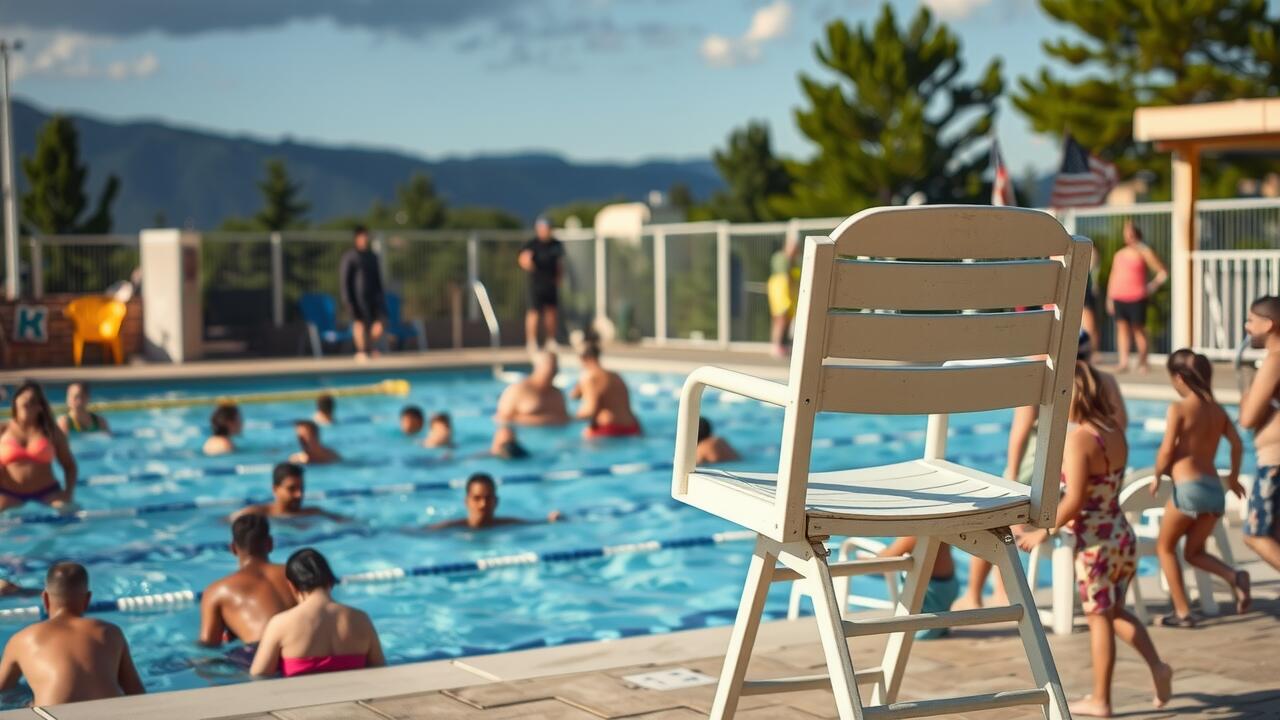
The Role of Training and Certification
Lifeguarding is a challenging profession that demands a comprehensive understanding of water safety, rescue techniques, and emergency response. Extensive training and certification programs ensure that lifeguards are equipped with the necessary skills to handle potential hazardous situations. These programs cover a variety of vital topics, including first aid, CPR, and the principles of surveillance, which prepare lifeguards to maintain a safe environment for all swimmers and beachgoers.
The effectiveness of lifeguard training is critical to their ability to respond promptly in emergencies. A well-structured certification program not only imparts knowledge but also emphasizes the significance of situational awareness and effective communication. Lifeguards who have undergone rigorous training are more likely to exhibit confidence in their abilities and make informed decisions that can prevent accidents or injuries, ultimately safeguarding lives in aquatic settings.
Importance of Lifeguard Education
Lifeguard education is crucial to ensuring a safe environment for swimmers and beachgoers. Comprehensive training equips lifeguards with vital knowledge and skills, such as emergency response techniques, CPR, and first aid. This foundational education helps lifeguards identify potential dangers and manage risky situations effectively.
In addition to practical skills, education also emphasizes the importance of situational awareness and preventative measures. Lifeguards learn to recognize health risks and behavioral issues that can pose threats to safety. Ongoing education ensures they remain updated on the latest techniques and regulations in aquatic safety, which ultimately enhances their ability to protect the public efficiently.
Impact of Poor Supervision
Effective supervision is critical in ensuring the safety of individuals in aquatic environments. Lifeguards must remain vigilant and attentive, as any lapse in their watchfulness can lead to serious accidents or even fatalities. When distractions occur or when lifeguards fail to adequately monitor designated areas, the likelihood of incidents increases significantly. This negligence can create a chain of events that culminates in harm to patrons and potential legal repercussions for the facility.
Inadequate oversight can also erode public trust in recreational facilities. Patrons expect a high standard of care when engaging in water-related activities. If poor supervision is evident, it can lead to a perception that safety is not a priority, subsequently affecting attendance and revenue. Facilities may find themselves facing lawsuits and negative media coverage, further emphasizing the need for responsible and consistent lifeguarding practices.
Consequences of Inadequate Oversight
Inadequate oversight can lead to grave outcomes in aquatic environments, significantly increasing the risk of accidents and drowning incidents. When lifeguards fail to maintain the necessary level of vigilance, their ability to respond effectively to emergencies diminishes. This lack of attention can result not only in severe injuries to patrons but also in legal repercussions for the lifeguards and their employers.
The ramifications of poor supervision extend beyond immediate physical harm. Facilities can face lawsuits, resulting in financial strain and damage to their reputation. Additionally, such incidents may attract regulatory scrutiny, leading to stricter compliance requirements or increased insurance premiums. The consequences of inadequate monitoring ultimately compromise public trust and deter individuals from utilizing aquatic facilities.
Insurance Coverage for Lifeguards
Lifeguards can face considerable risks while performing their duties, making insurance coverage an essential aspect of their professional practice. Liability insurance serves to protect them financially in instances where their actions may be scrutinized or questioned. Depending on the specific policy, coverage can extend to legal fees, settlements, and judgments resulting from lawsuits that arise due to alleged negligence or failure to perform their duties effectively.
In addition to liability coverage, some lifeguards may seek personal accident insurance, which can provide compensation for injuries sustained while on the job. This type of insurance can offer support to lifeguards who may face not only physical challenges but also potential loss of income due to time taken off work. The right insurance policy can create a safety net for lifeguards, ensuring peace of mind while they focus on ensuring the safety of swimmers in their care.
Types of Policies and Protections
Lifeguards often require a specific type of liability insurance to protect themselves from potential legal claims. This insurance typically covers claims related to negligence or failure to perform duties as a lifeguard. The coverage can vary widely based on the provider and policy specifics. Many lifeguards, particularly those in private settings, opt for individual policies to ensure personal liability protection. Some group or organizational policies also cover lifeguards working under specific institutions, offering a level of collective protection.
Beyond liability insurance, some lifeguards may carry accident or workers’ compensation policies. These can offer additional safety nets against injuries incurred while on duty. Importance is placed on thoroughly understanding policy details, including coverage limits and exclusions. This knowledge helps lifeguards make informed decisions about their financial protections and responsibilities.
FAQS
Can lifeguards be held liable for accidents that occur while on duty?
Yes, lifeguards can be held liable for accidents if it is proven that they acted negligently or failed to perform their duties according to the established standards of care.
What factors determine a lifeguard's liability?
Factors that determine a lifeguard's liability include their level of training, adherence to safety protocols, the nature of the incident, and whether they were properly supervising the area.
How does training and certification impact a lifeguard's legal responsibility?
Proper training and certification can help establish a lifeguard's competence and adherence to professional standards, which may reduce their liability in case of an incident.
What are the consequences of poor supervision by lifeguards?
Poor supervision can lead to accidents, injuries, or drownings, and lifeguards may face legal action or disciplinary measures if it is determined that inadequate oversight contributed to the incident.
Do lifeguards have insurance coverage for liability claims?
Yes, many lifeguards are covered by liability insurance, which can protect them from personal financial loss in the event of a lawsuit resulting from their professional duties.